
The signature tool on this site
Is this find worth ordering? Sort the doubt first
Pick the category, pick the thing you are unsure about, and the planner tells you which step can settle it, what Basetao charges there, and what that step still will not tell you. It does not score the item, because a score would be made up.
Check-Point Planner
Choose the category, your concern and the purchase service. The planner points to a useful check and its recorded service terms; the reference table below keeps those options available for comparison.
Sources: inspection standards, the service grid on the home page, the help centre, the parcel page and the return policy. All read 2026-08-04.
The same answers, written out in full
Seven doubts, sorted by the step that resolves them. Open any one to see what that step gives you, what it withholds, and where a category changes the answer.

At the warehouseWhether it will fit me
You can have it measured, but only if you ask. Cost: 1.5 CNY
What that step gives you. Basetao lists a measurement service on its own home page: if you are not sure a garment is your size, the warehouse team will measure it for you, and the page puts the handling fee at 1.5 CNY.
What it still will not tell you. A wrong size is not a failed inspection. The inspection standards page names differences in actual size as outside the inspection scope, so an item that measures nothing like its label still passes and still ships.
So do this. Ask for the two or three numbers that decide it for you, in centimetres, and name them in the order note rather than asking for "the measurements".
Where a category changes the answer.
- Bags, wallets and luggage. Ask for the three outside dimensions in centimetres. They tell you whether it is the size you pictured, and they are the same numbers the volumetric weight is worked out from when the parcel is packed.
- Shoes of any kind. Ask for insole length in centimetres, then measure a pair you already wear and compare centimetres to centimetres. Converting your EU number is what goes wrong.
Never checkedWhether the colour matches the photos
Nobody will confirm this for you.
What that step gives you. The arrival photos will show you the item under warehouse lighting, which is better than nothing.
What it still will not tell you. Colour discrepancy is the first thing the inspection standards page excludes, in both the scope paragraph and the note under it. A shade that is nothing like the listing photo is not treated as a defect, so it is not a reason the warehouse will hold the parcel.
So do this. Settle it before you pay: ask the seller for a photo taken in daylight without a flash, and treat the listing render as the intention rather than the fact.
At the warehouseWhether it arrives damaged, stained or short
This is the one thing the free check is actually for. Cost: free
What that step gives you. Visible damage and stains are inside the inspection scope, and the help centre says quality control pictures are normally uploaded the same day the item arrives. Extra pictures are not charged for.
What it still will not tell you. Anything the photos cannot show. The standards page is blunt about it: where something cannot be verified, it will be assumed that you reached an agreement with the seller.
So do this. When the photos land, read them the same day. The help centre notes that an item which has arrived and has pictures but is still sitting in the Ordered section usually means the agent found a flaw, so open the messages before you do anything else.
Where a category changes the answer.
- Electronics and audio. External condition only. A cracked shell shows up in the photos; a board that took a knock in transit does not, and no one will find out until you plug it in at home.
At the warehouseWhether the material is as good as it looks
You get pictures, not an opinion. Cost: free
What that step gives you. The arrival photos are taken close enough to show stitching, hardware and print quality, and you can ask for more at no extra charge.
What it still will not tell you. Nobody grades it. The inspection is a list of checks against your order, not a verdict on whether the thing is good. Fabric weight, smell and how it wears are not in the scope and are not covered.
So do this. Decide in advance which detail would make you reject it, and say so in the order note. A named detail can be photographed; "please check the quality" cannot.
Where a category changes the answer.
- Clothing and knitwear. Fabric weight and composition are not part of the check, and the inspection scope does not include how something feels. A photo of a seam is evidence; a photo of a jumper is not a fabric report.
- Perfume and cosmetics. Nothing about a fragrance survives a photograph. The check confirms the box, the seal and the label, and stops there.
At the warehouseWhether it works and is complete
Only the outside of it gets looked at. Cost: free
What that step gives you. Visible condition on arrival, photographed.
What it still will not tell you. Function. Nothing is switched on for you.
So do this. Ask the seller to confirm what is in the box before you order.
Where a category changes the answer.
- Electronics and audio. Get the seller to state, in writing on the listing chat, what is in the box and what the warranty is. After that, treat the electricity part of the purchase as your risk, because Basetao has told you plainly that it is not theirs.
At the warehouseWhether it is the version in the listing
The label gets read back to you. Cost: free
What that step gives you. Model and version number are named in the inspection scope, along with colour, size and visible condition, and they are checked against what your order says.
What it still will not tell you. Whether the seller wrote the truth on the label. The check compares the item to your order, not the item to reality.
So do this. Put the exact model or version string into the order note, so there is something for the warehouse to compare against.
Where a category changes the answer.
- Hats, eyewear, jewellery, watches. Nothing is opened. A stated movement is not an inspected movement, and the standards page does not promise otherwise.
Before you orderWhether it can leave China at all
This one is entirely on you, and it is answerable today. Cost: free
What that step gives you. Two published lists. The help centre names what Basetao will not buy: knives, pure batteries, imitation brands, food, liquid, powder, chemical substances, flammable and explosive materials, and animal or plant specimens. The parcel page names what it will basically not ship: gun shaped products, liquid, lighters, powder, computers, laptops, phones, pure batteries, and anything over 1.5 m.
What it still will not tell you. Nothing gets checked against those lists at the moment you press order. You find out later, when the parcel cannot be made.
So do this. Read your find against both lists now. They are not the same list, and the second one is the one that stops a parcel.
Where a category changes the answer.
- Electronics and audio. Before you order, ask support in writing whether this exact device can be shipped to your country. Service hours are 09:30 to 20:30, Monday to Saturday, China time.
- Hats, eyewear, jewellery, watches. If the piece has a battery in it, ask before you order rather than after the parcel is built.
- Home and lifestyle. Check the longest side of the item in its packaging, not the item itself, and ask support if it is anywhere near the limit.
- Perfume and cosmetics. Ask before you pay, and describe the format honestly. An eau de parfum, a solid balm and a powder are three different answers.
The one worth paying for
Ask for numbers, not for a judgement
The measurement service is the only place in this process where one and a half yuan converts directly into certainty, which is why it sits on the other side of the exclusions. It is also the easiest to waste. A request to "check the size" produces a photograph of a label. A request for chest flat and body length in centimetres produces two numbers you can hold against a garment in your own wardrobe.
Decide which numbers matter before the item lands, because after it lands you are working against the return window rather than with it.
The help centre points at two places to write the request: make a notation when you place the order, and the message bubble on the item afterwards.
Read the arrival photographs the day they appear
Quality control pictures are normally uploaded the same day the item arrives, and you open them from the image icon next to the item. Two things make that day worth guarding.
The first is the return window. Most sellers accept a return or exchange within seven days from the day Basetao receives the parcel, so the clock is already running while the photos sit unread.
The second is a signal that is easy to miss. The help centre says an item that has arrived and has pictures but is still sitting in the Ordered section usually means the agent found a flaw on it, and tells you to check the messages and the pictures. If there is nothing there, ask them to move it.
What a request costs, and what it buys
Everything on this site that has a price attached, in one place. Prices are as published by Basetao on the date shown and can change, so open the page before you rely on a number.
| If you want | It costs | Where it says so |
|---|---|---|
| Arrival photographs of every item | Nothing, and it happens without asking | Free QC pictures on the home page, which adds that extra pictures carry no fee |
| A garment or a shoe measured to your specification | 1.5 CNY handling fee | Measurement service on the home page |
| Someone to find an item you only have a picture of | 1 CNY, refunded if it is not found | The Search for me page. The home page describes the same service as carrying no additional cost, so confirm which applies |
| Time to decide after it arrives | Nothing, up to 120 days | Storage section of the help centre |
| A return or exchange | You pay the return shipping, and the seller can refuse | The return policy page, plus the after sale line on the home page |
All five read on basetao.com, 2026-08-04.
Two habits that make the difference
Neither is clever. Both come straight out of how the process is actually built.
Worth doing every time
- Name the two or three measurements that decide it, in centimetres, in the order note
- Ask the seller for a daylight photograph if the shade matters to you at all
- Read both banned lists before ordering anything liquid, powdered, battery powered or over a metre long
- Open the arrival photographs the same day they land
- Ask for anything unclear in writing, so the answer exists later
Reliably a waste of the order
- Ordering on the tag size alone, especially denim
- Assuming a return is available because the item is wrong
- Ticking remove packaging on something you might send back
- Expecting an electronic item to have been switched on
- Treating the listing render as the colour you will receive
After the photographs land
How to read the QC pictures you are sent
Reading QC well is mostly a matter of knowing what a photograph is evidence of. It is evidence of shape, construction, hardware, stitching, print placement, and what is printed on the label. It is not evidence of colour, because your screen is not calibrated and the inspection standards exclude colour difference anyway. It is not evidence of size, unless you paid the three yuan and asked. It is not evidence that an electronic item works, because the standards say electronics are checked for appearance.
So work through them in that order. Compare the silhouette against the listing picture first, because a wrong shape is the failure that no later step fixes. Then the hardware and the stitching, which is where cheap production shows and where the free photographs are genuinely good enough. Then the label, read character by character against what the listing claimed. Then stop, and notice which of your remaining questions the photographs were never going to answer.
One mechanical thing to check before you judge anything: if the pictures are there but the order is still sitting in Ordered, the help centre says that usually means the agent found a flaw. Read the messages before you read the photographs.
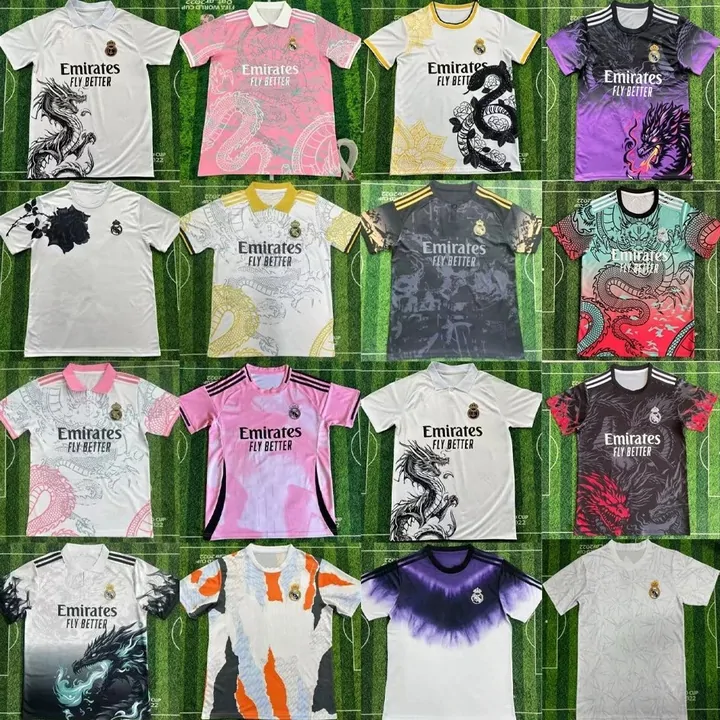
Before the photographs
Judging a listing before you paste it anywhere
Most of the doubt you will feel later is avoidable earlier, and the place to avoid it is the listing. Three habits do most of the work.
Read the title as writing, not as a label. The title is the seller's own words, which is why two listings for the same object read completely differently. A title that names a material, a weight and a measurement is a seller who expects questions. A title that is six brand names stacked back to back is a seller optimising for search.
Read the option names, not just the picture. The choice you make at checkout is made from the seller's option list, and that list is where the cut, the length and the lining actually live. If the photograph shows a lined jacket and no option says lined, you are guessing.
Decide what you would ask before you order, not after. Basetao states orders are usually placed within 24 hours when there are no questions. That is your whole window. The official field for it is called make a notition, and it is cheaper to use it than to discover at QC that you needed it.
Next step.
- What is never checked is the list the planner keeps sending you to.
- Finds by category applies the same three marks to 28 categories.